
Social Security's trust fund could become insolvent by 2032 under the One Big Beautiful Bill Act (OBBBA), forcing automatic benefit reductions of 33% for all recipients. The legislation combines $1.1 trillion in healthcare spending cuts with tax relief measures that reduce federal revenue, accelerating the fund's depletion timeline.
The Congressional Budget Office projects 11.8 million Americans will lose health insurance by 2034 due to Medicaid spending cuts in the bill. Only 24% of current Social Security recipients will see reduced taxable income under the new law, according to the Center for Budget and Policy Priorities.
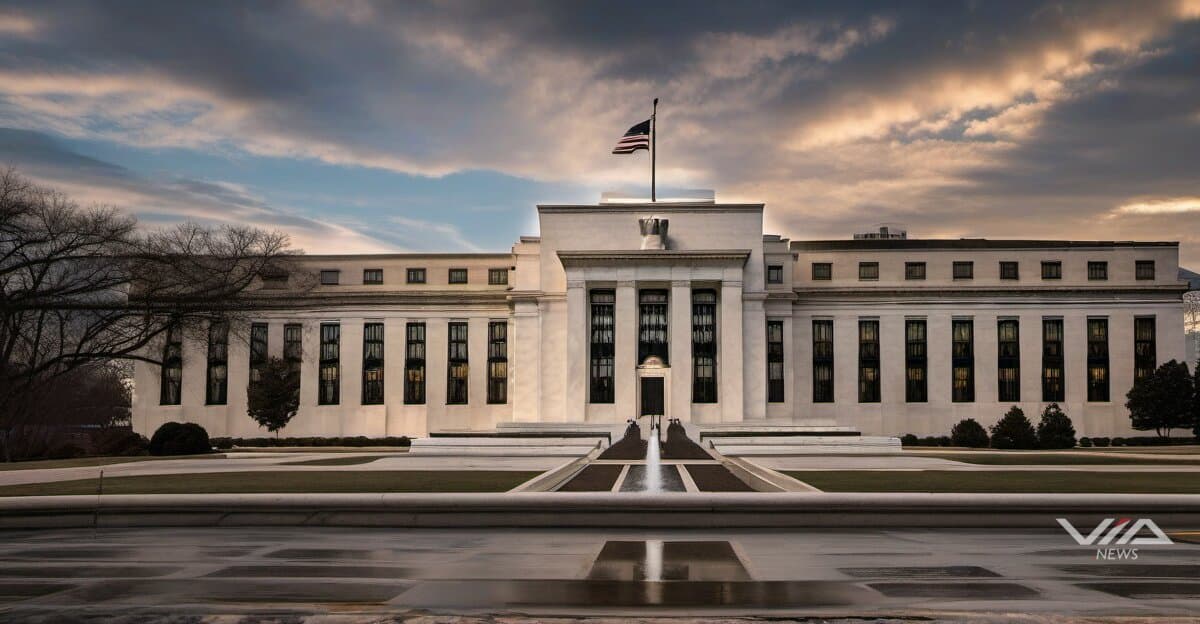
Fed Chair Jerome Powell's term ends May 2026, creating what David Wessel of the Brookings Institution calls "an existential moment for the Fed in our democracy." Wessel argues Powell should remain on the board after his chairmanship expires to prevent the administration from securing a voting majority.
The fiscal trajectory threatens banking sector stability as institutional investors recalibrate positions ahead of potential entitlement program restructuring. Bond markets are pricing in increased sovereign risk as the government faces twin pressures: expanding deficits from tax cuts and accelerated mandatory spending obligations.
The Fed operates under political pressure to maintain accommodative monetary policy despite persistent inflation risks. Leadership transition timing compounds uncertainty, as the central bank traditionally requires independence to manage inflation expectations and maintain dollar credibility.
Banks face exposure through government securities holdings and retirement account management as Social Security's 2032 insolvency date approaches. Financial institutions must prepare clients for potential benefit cuts affecting household disposable income and debt servicing capacity.
The policy convergence creates cascading risks: reduced government revenues, accelerated entitlement fund depletion, potential central bank politicization, and market volatility. The 2032 timeline gives markets six years to price in Social Security restructuring, but uncertainty around Fed independence could trigger earlier repricing events.
Healthcare sector exposure compounds banking risk as Medicaid cuts force hospitals and insurers to restructure operations. Commercial real estate and consumer lending portfolios face headwinds as 11.8 million Americans lose coverage and reduce discretionary spending.