
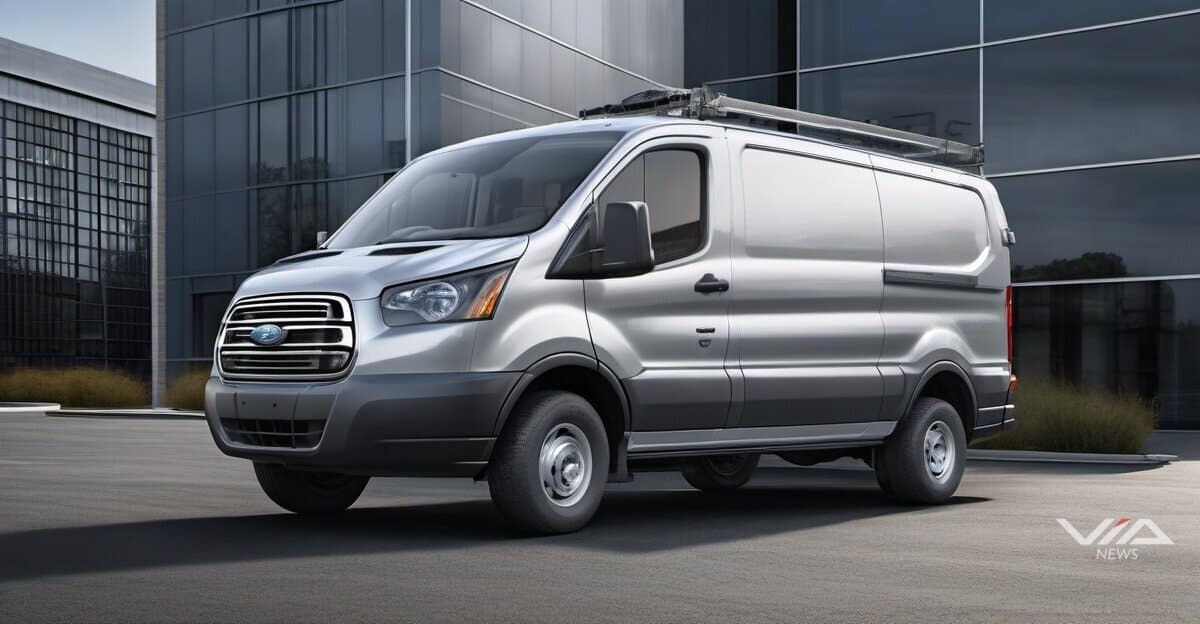
Ford Motor Company is scrapping plans to produce an all-electric commercial van at its Ohio Assembly Plant, replacing the project with more conventionally powered gas and hybrid alternatives — a move that underscores a broader recalibration across the automotive industry as EV adoption in commercial fleets lags initial projections.
The Ohio Assembly Plant, a cornerstone of Ford's U.S. manufacturing footprint, will now serve as the production hub for a new line of affordable commercial vans offered in both internal combustion engine (ICE) and hybrid configurations. The pivot away from the originally planned electric commercial van marks one of the more significant strategic retreats in Ford's electrification roadmap and signals a willingness by management to prioritize near-term profitability over long-term electrification targets.
Following the Customer
Ford's rationale is straightforward: fleet operators are not yet buying electric vans at the volumes needed to justify the capital intensity of dedicated EV production lines. Commercial vehicle buyers — logistics companies, tradespeople, small business owners — have consistently cited total cost of ownership, charging infrastructure gaps, and payload limitations as barriers to EV adoption. By offering gas and hybrid variants, Ford positions itself to serve a market that remains overwhelmingly dependent on conventional powertrains while leaving a path open for electrification as infrastructure matures.
The hybrid option is particularly notable from a financial standpoint. Hybrid commercial vehicles occupy a strategic middle ground: they deliver improved fuel economy compared to pure ICE models — reducing operating costs for fleet buyers — while avoiding the infrastructure investment and range anxiety associated with full EVs. For Ford, hybrids also carry better margin profiles than battery-electric vehicles at current battery cost levels, making them an attractive tool for restoring profitability in the commercial van segment.
Financial Context: Ford's EV Losses Mount
The decision arrives against a backdrop of sustained losses in Ford's Model e electric vehicle division. The unit has reported billions in operating losses over recent periods as Ford invested heavily in EV capacity ahead of demand that has materialized more slowly than anticipated. The commercial van reversal signals that Ford's leadership is applying tighter financial discipline to future EV commitments, requiring clearer demand signals before committing manufacturing capacity to battery-electric platforms.
For the Ohio Assembly Plant specifically, the shift to gas and hybrid production preserves jobs and utilization rates that might otherwise have been at risk during a prolonged ramp-up period for a new EV model. Manufacturing ICE and hybrid vehicles leverages Ford's existing supply chain relationships and production expertise, reducing execution risk and time-to-market compared to an entirely new electric architecture.
Competitive and Market Implications
Ford's move will be watched closely by rivals including General Motors and Stellantis, both of which are navigating similar tensions between electrification ambitions and commercial vehicle market realities. The decision may also embolden other automakers to reassess planned EV investments in fleet-focused segments where adoption curves remain uncertain.
For investors, the strategic pivot could be read as a positive signal for Ford's near-term cash generation and margin recovery in its commercial vehicle business, even as it raises longer-term questions about the company's competitive positioning in a market that will eventually — if not immediately — shift toward electrification. The affordability positioning of the new van lineup suggests Ford is targeting market share gains through competitive pricing rather than technology differentiation.
As fleet operators continue to weigh the economics of electrification against established alternatives, Ford's Ohio plant will serve as a real-world test of whether pragmatic, customer-driven manufacturing strategy can outperform technology-led ambition in the commercial vehicle sector.