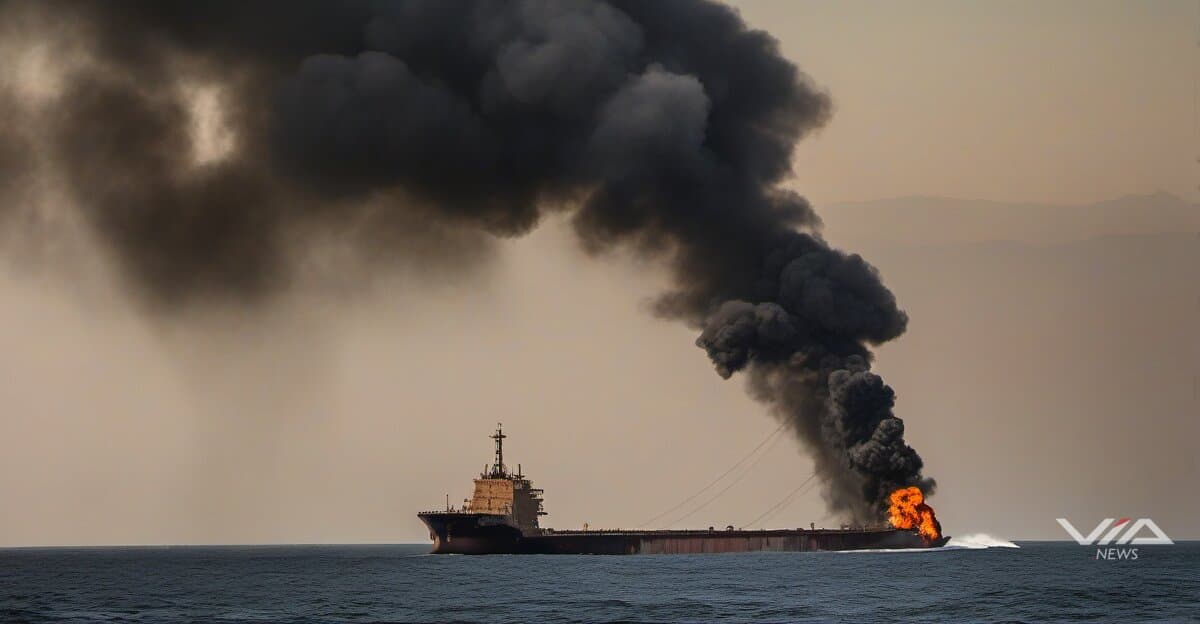
US gasoline has reached $4 per gallon as the Strait of Hormuz enters its ninth consecutive week of closure following a US-Israel military strike on Iran. Equity markets have touched yearly lows. The Federal Reserve is holding rates steady, constrained on both sides.
The bind is classic stagflation arithmetic: tightening to fight inflation risks tipping the economy into recession; easing to support growth risks letting energy-driven prices entrench further. The Fed is effectively paralyzed by a supply-side shock that monetary policy was not designed to address.
Economists are drawing direct comparisons to the 1970s. Pierre-Olivier Gourinchas warned the crisis could rival that decade's oil shocks in severity, with knock-on effects including elevated unemployment and food insecurity across multiple countries.1 The 1970s energy crises produced years of stagnant growth and repeated recessions across major economies before the cycle broke.
Justin Wolfers put the timeline risk plainly: "If we don't get a satisfactory resolution, then that concern remains."2 Expensive energy could persist for years without a diplomatic breakthrough. Wolfers also stressed that the cost pressures Americans are experiencing are genuine, not overstated.2
Demand destruction is already spreading. Asian petrochemical markets — among the most energy-intensive nodes in global supply chains — are absorbing the initial blow. The contraction is now moving into Western consumer economies, with manufacturers, shippers, and retailers repricing for sustained high energy costs.
The Hormuz strait is the world's most critical oil transit route. Nine weeks of closure is not a price spike — it is a structural supply disruption. With no conflict resolution in sight, the duration remains open-ended.
Central banks outside the US face the same trap. Energy inflation is imported through global commodity prices, not domestic demand. Rate hikes punish growth without addressing the source of inflation. Rate cuts risk cementing higher inflation expectations into wage and contract negotiations.
The 1970s parallel cuts both ways. That era's stagflation required years of severe monetary tightening to resolve — at the cost of deep recessions. Policymakers today face similar arithmetic with higher pre-existing debt loads and less policy headroom than they had then.
For now, the Fed is holding. Markets are watching the conflict, not the data releases.