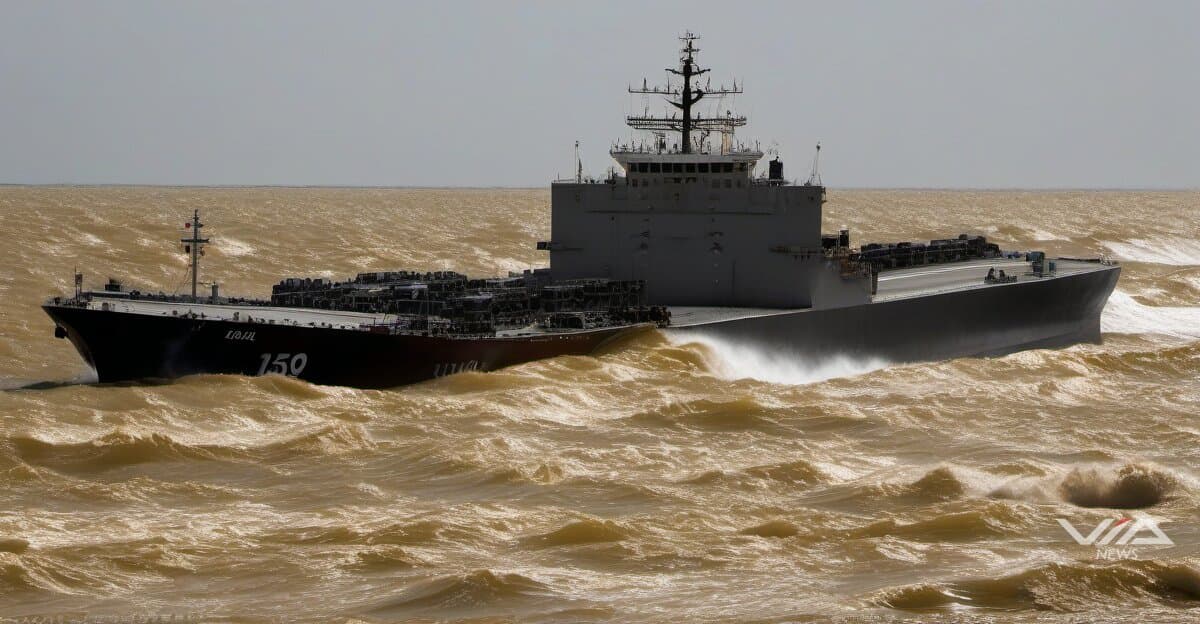
Treasury yields dropped to 4.23% following the collapse of U.S.-Iran negotiations and President Trump's blockade of the Strait of Hormuz, marking a classic flight-to-safety response as investors dumped risk assets.1
The decline proved short-lived. Oil prices surged above $100 per barrel on supply disruption fears, reversing the bond rally as traders recalculated inflation risks.1 Gold climbed on safe-haven demand, with analysts noting the simultaneous appeal of both Treasury securities and precious metals during acute geopolitical stress.1
The dollar strengthened against major currencies as escalating U.S.-Iran tensions amplified demand for American assets despite Treasury yield volatility.2 Currency markets reflected investor preference for liquidity and perceived safety over yield considerations.
Federal Reserve policymakers face competing pressures from the crisis. The geopolitical shock introduces downside growth risks that would typically argue for lower rates, while surging energy prices threaten to reignite inflation just as core price pressures were moderating. Fed officials have maintained focus on financial supervision and climate-related risks even as market volatility spikes.
The whipsaw in Treasury yields demonstrates how geopolitical crises create cross-currents for monetary policy. Initial safe-haven flows lowered yields and eased financial conditions, potentially giving the Fed room to hold rates steady. The subsequent oil-driven reversal complicates that calculus by raising the specter of stagflation—weak growth combined with elevated inflation.
Investment strategists are reassessing portfolio allocations as the crisis unfolds. Traditional risk-off playbooks recommend overweighting Treasury securities and gold while reducing equity exposure, particularly in energy-intensive sectors. The current episode tests that framework by making both deflation and inflation scenarios plausible depending on crisis duration and economic spillovers.
Bond market pricing suggests investors expect the Fed to tolerate some inflation overshoot rather than tighten policy into a geopolitical shock. Rate futures show diminished odds of near-term hikes despite oil's surge. The central bank's response will likely depend on whether energy prices stabilize or continue climbing, and whether the crisis spreads beyond the Strait of Hormuz to broader regional conflict.
Currency strategists note the dollar's strength may partially offset imported inflation by making foreign goods cheaper, providing modest relief to Fed policymakers navigating the twin challenges of growth uncertainty and commodity-driven price pressures.