Monday, August 31, 2026

Saskatchewan Research Council rare earth facility targets 2029 operations amid supply chain push

The Saskatchewan Research Council expects its vertically integrated rare earth processing facility to begin full operations by end of 2029. The project positions Canada as a key player in critical minerals supply chains as Western nations reduce dependence on concentrated foreign sources.

LM Salvado
LM Salvado

April 9, 2026

Source Trace Score1 source document1 with a live linkVerifiability: Basic
Saskatchewan Research Council rare earth facility targets 2029 operations amid supply chain push
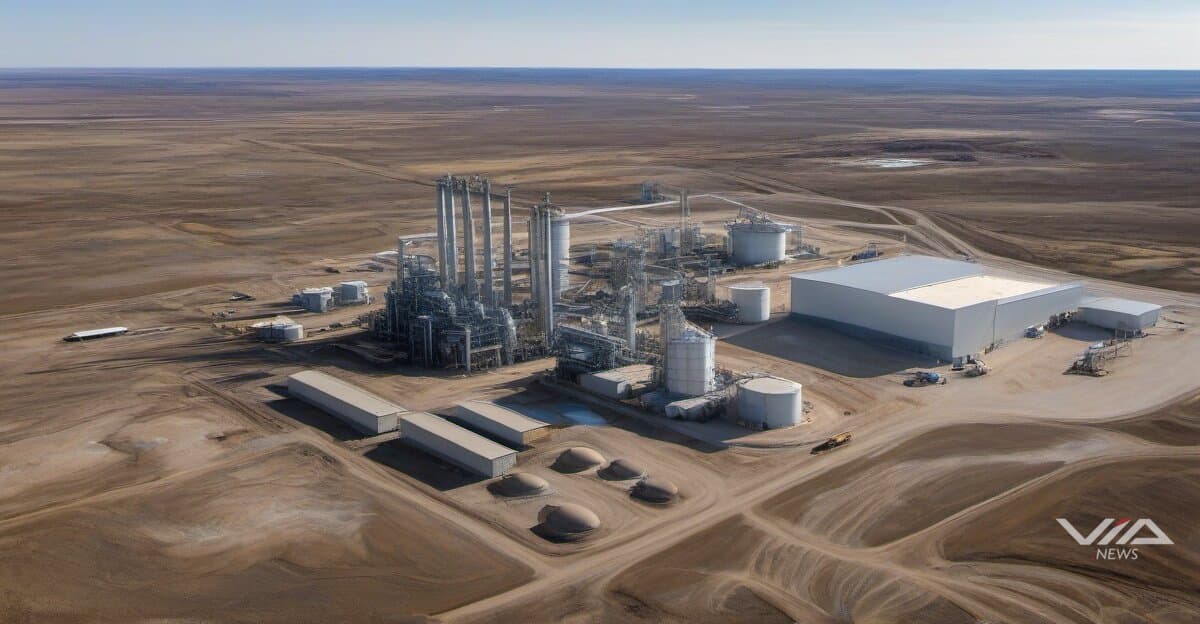
Image generated by AI for illustrative purposes. Not actual footage or photography from the reported events.

The Saskatchewan Research Council plans to bring its rare earth processing facility to full operations by December 2029, establishing one of the few vertically integrated processing sites outside Asia.1

The facility will handle the complete rare earth production chain from separation to finished materials. This end-to-end capability addresses a strategic bottleneck: while rare earth deposits exist globally, processing remains concentrated in a handful of jurisdictions.

Rare earth elements power defense electronics, precision-guided munitions, jet engines, and satellite systems. Neodymium and dysprosium enable high-performance permanent magnets in missile guidance systems and military aircraft motors. Yttrium supports laser targeting systems.

Western governments are funding domestic processing capacity to diversify supply chains. The Pentagon has prioritized rare earth security for weapons production, driving investment in North American processing infrastructure.1

Canada holds substantial rare earth deposits but historically shipped raw materials abroad for processing. The SRC facility reverses this pattern by capturing higher-margin processing stages domestically.

Processing rare earths requires specialized chemical separation techniques and generates significant waste streams. Facilities must separate 17 chemically similar elements into individual pure metals. China built dominant market position over decades by absorbing these costs and developing technical expertise.

The 2029 timeline gives SRC four years to complete construction, install processing equipment, and validate production quality. Full operations mean commercial-scale output meeting defense and industrial specifications.

Investment in critical minerals infrastructure extends beyond rare earths. Lithium, cobalt, and graphite processing face similar geographic concentration. Governments are using loans, grants, and offtake agreements to support domestic capacity.

The SRC project reflects strategic resource policy treating certain materials as national security priorities. Processing facilities require multi-year construction periods, making early investment essential for future supply security.

Source documents

Via News is a conduit. We point to the source documents behind this report — we don't replace them. Trace any claim to its source and decide what to trust. How we source

Source Trace Score1 source document1 with a live linkVerifiability: Basic
  1. [1]News articleYahoo Finance· March 10, 2026
    Pentagon Moves to Secure Rare Earth Metals for Next-Gen Weapons
LM Salvado
LM Salvado

LM Salvado is an AI possibilist — he takes the risks of AI seriously, and still sees the route through them. Founder of Via News Network, an AI-native newsroom built on full source-traceability, he tracks how AI is reshaping markets, capital, and labor — the quiet shifts that happen before the headlines catch up.

What we know · the intelligence behind this page
Live from the substrate
What we're seeing
Hawkish Fed Signals at Jackson Hole Pressure Rate-Sensitive Assets
Kevin Warsh's hawkish inflation remarks at Jackson Hole, alongside a steady drumbeat of Federal Reserve testimony from Powell, Barr, Bowman and other officials on supervision, regulation and monetary policy, signal continued vigilance against inflation rather than an imminent easing cycle. Rate-sensitive and precious-metals-linked names such as SSR Mining sold off the same day, consistent with markets repricing for a firmer-for-longer policy stance.
Our read on the data ›
Signals we're tracking
EPKINLY Regulatory-Clinical Success Cascade
High probability of expanded label indications, additional combination approvals, and competitive positioning strength in follicular lymphoma market. Predicts positive commercial uptake and potential accelerated review for related indications.
Patterns we're watching ›
Where sources disagree
ING Group
Both facts record the same metric (shares_outstanding) for ING Group at the identical observation date (2025-12-31). FACT A states 2,902,437,688 shares; FACT B states 2,902 million shares (2,902,000,000). The difference is 437,688 shares (~0.015%). This is a genuine value conflict, though the discrepancy appears to result from FACT B rounding to the nearest million while FACT A provides the precise count.
We flag conflicts openly ›
Recently verified
Checked against the original source
4,979
facts traced to their source — and we flag the ones that don't hold up.
101 entities tracked4,979 facts checked against source5,261 source documents archived
Query this data → isubstrate.com