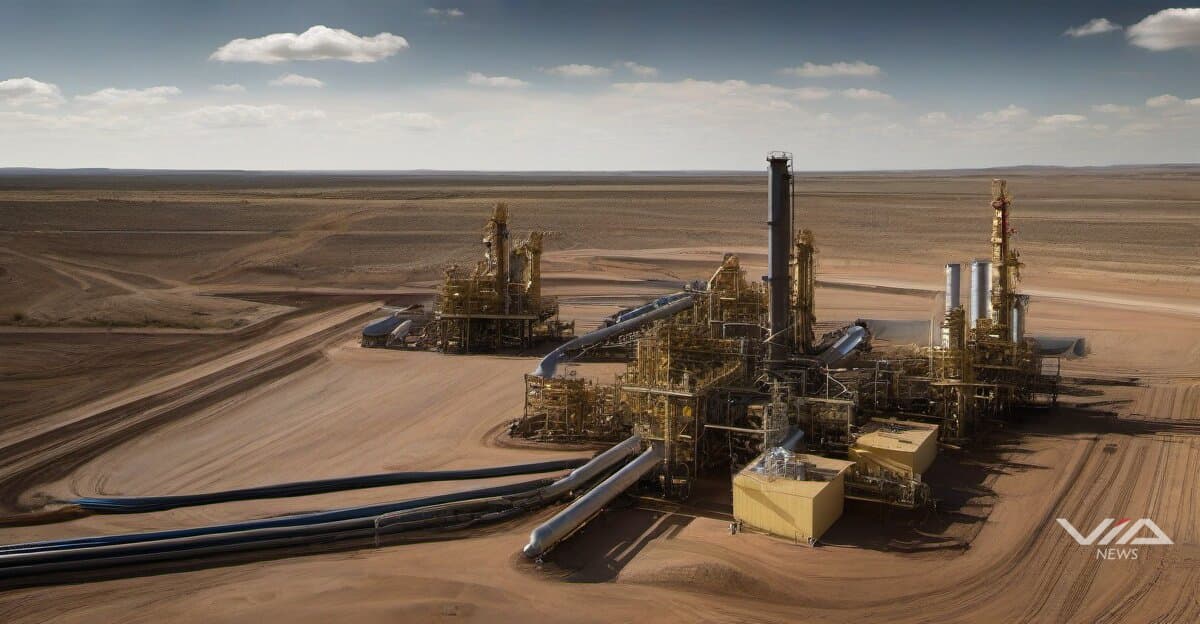
That concentration creates a bottleneck risk. Vaca Muerta output can only reach markets through dedicated pipelines, processing plants, and export terminals.1 If that takeaway infrastructure doesn't expand as fast as wells are drilled, producers may have to curtail output regardless of drilling success.
The Ministry flags this as a major operational risk with medium likelihood.1 Two projects carry the weight of future growth: the Vaca Muerta Sur oil pipeline and gas pipelines feeding Brazil and Chile.1 Delays on either would cap the volume Argentina can actually sell, even as wellhead production keeps climbing.
The math is straightforward. Production and export capacity have moved together so far, letting shale's production share climb past 70% for oil. But that share can't grow further than the pipes allow. Once wells outpace pipeline capacity, additional drilling stops translating into additional exports.
For an economy leaning on hydrocarbon growth to offset weakness elsewhere, that ceiling matters. Export volumes feed directly into trade balance and dollar inflows Argentina needs to stabilize its currency. A plateau in shipped volumes — even with production still rising — would blunt the growth story the Ministry's own data currently tells.
The risk isn't that Vaca Muerta stops producing. It's that infrastructure construction timelines, not geology, become the limiting factor on how much of that production reaches a paying buyer. Pipeline and terminal build-out schedules, not drilling rigs, are now the variable to watch.