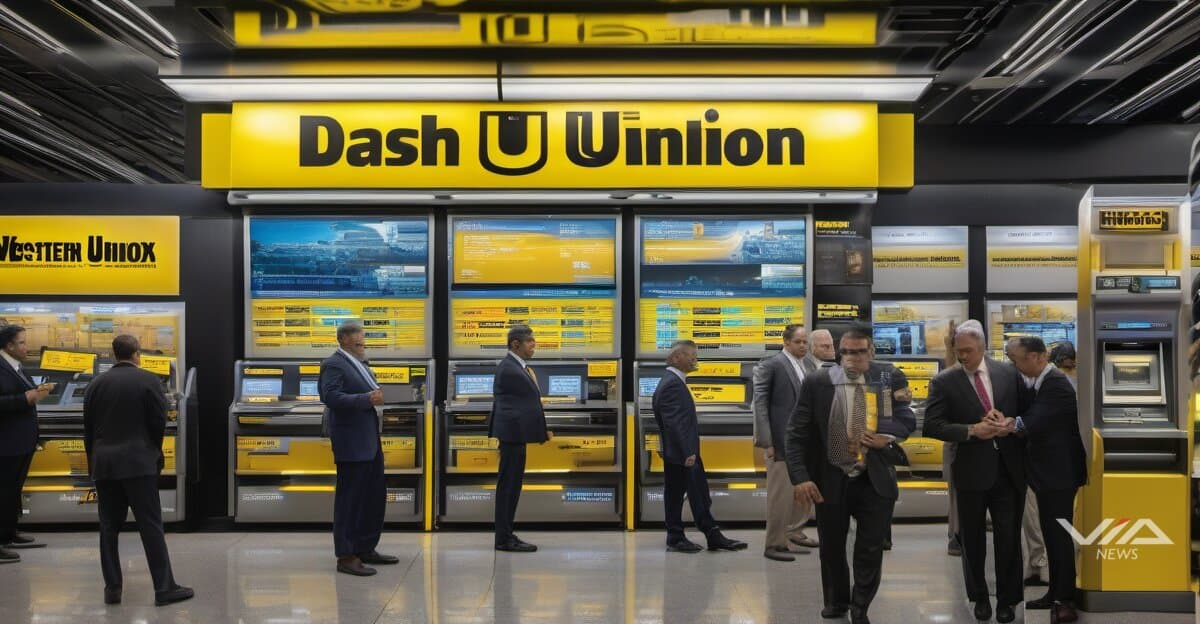
Western Union acquired three digital money-transfer operators simultaneously: Intermex in the US, Lana in Mexico, and Dash in Singapore.1 All three deals closed within the same event window, spanning the US-Mexico and Southeast Asia remittance corridors.
The acquisitions operate under a unified internal framework Western Union labels its 'Dual Track Strategy' and 'Western Union Branded Digital' theme.1 This clustering is deliberate. Each target occupies a distinct geography within high-volume, digitally competitive remittance lanes.
US-Mexico is the world's largest bilateral remittance corridor. Southeast Asia carries significant intra-regional and diaspora payment flows. Controlling operators in both positions Western Union across two of the most contested digital transfer markets.
The strategy reflects a broader pattern in cross-border fintech: established incumbents absorbing digital-native challengers rather than building competing products from scratch. Intermex, Lana, and Dash each built distribution and customer trust in their local markets. Western Union acquires that infrastructure intact.
The rollup will likely trigger regulatory review. Consolidated market share in the money-transfer sector draws scrutiny from financial regulators in the US, Mexico, and Singapore. Each jurisdiction has distinct rules governing remittance operators and foreign-ownership thresholds.
Competitor responses are probable. MoneyGram, Wise, and PayPal's Xoom unit each operate in the same corridors. A Western Union move of this scale creates pressure to consolidate defensively or accelerate product investment to retain market position.
Smaller digital remittance players and neobanks operating in US-Mexico and Southeast Asia are now more exposed as acquisition targets. The premium for corridor-specific distribution networks has risen. Valuations in this segment will reflect that scarcity.
The cross-border payments market is consolidating faster than most forecasts anticipated. Western Union's three-deal event signals the acceleration phase is underway.