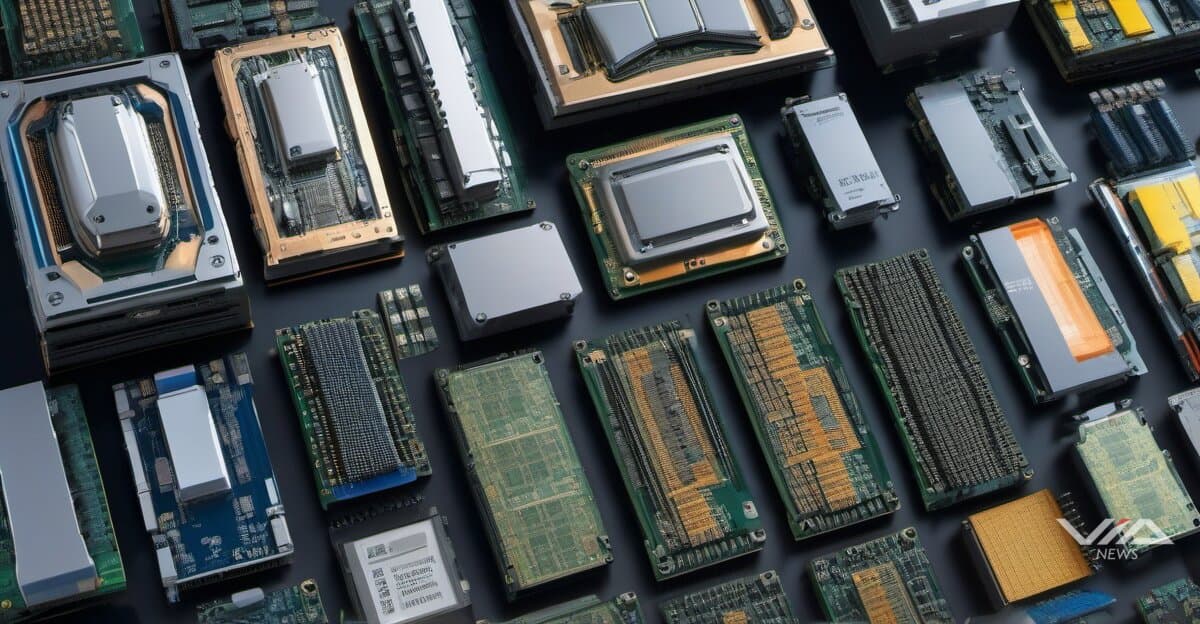
Memory supply shortages will peak in Q1 2026, constraining AI infrastructure deployment and PC builds before clearing in subsequent quarters.1 Intel confirmed it cannot meet strong demand during this period, with supply constraints expected to ease starting in Q2 2026, leading to above-seasonal quarterly results.1
The shortage is affecting PC builds and creating near-term pressure across the technology sector.1,2 Qualcomm faces dual headwinds from the memory supply shortage and market share loss in smartphones, according to JPMorgan.2
Agentic AI workloads are driving an inflection in CPU demand, compounding the supply-demand imbalance.1 This new workload category requires different compute architectures than traditional AI training and inference, intensifying competition for memory components across the semiconductor industry.
Wall Street analysts are repositioning ahead of the Q1 bottleneck. Susquehanna raised its Intel price target, anticipating the company will benefit from easing constraints in Q2.1 JPMorgan downgraded Fabrinet and Corning, signaling concern about component suppliers exposed to the shortage.2
The memory constraint creates a temporary competitive moat for technology companies with secured supply chains. Enterprises planning AI infrastructure deployments face difficult capital allocation decisions: delay projects until Q2 when supply improves, or pay premium prices for scarce components in Q1.
AI hardware stocks face increased volatility through the constraint period. Companies that secured long-term memory supply agreements will report stronger Q1 results relative to peers, while those dependent on spot markets face margin compression or revenue delays.
The Q1-to-Q2 sequential growth comparison will reveal which companies navigated the bottleneck successfully. Memory spot prices for DRAM and high-bandwidth memory (HBM) serve as real-time indicators of constraint severity, with pricing normalization signaling supply recovery.
Corporate technology budgets face pressure to either accelerate Q4 2025 purchases before constraints worsen or defer to Q2 2026 when supply stabilizes. This timing decision affects fiscal year technology spending patterns and vendor selection criteria, favoring suppliers who can guarantee delivery schedules.