The U.S. will ban Chinese rare earth materials from defense systems starting 2027, forcing semiconductor and defense contractors to secure alternative supply sources.1 The regulatory shift affects companies across the semiconductor value chain, from chip designers to automotive suppliers.
Nvidia is developing its Vera Rubin architecture for next-generation AI workloads, while Camtek advances AI-focused packaging solutions.1 These product launches underscore the industry's pivot toward AI infrastructure as demand from data center operators accelerates.
Leadership transitions are reshaping corporate strategy at major tech firms. Tim Cook is stepping down from Apple's CEO role, while Panasonic Automotive rebranded to Mobitera to signal its shift toward mobility solutions.1 These changes reflect broader strategic repositioning as companies adapt to geopolitical pressures and emerging technology demands.
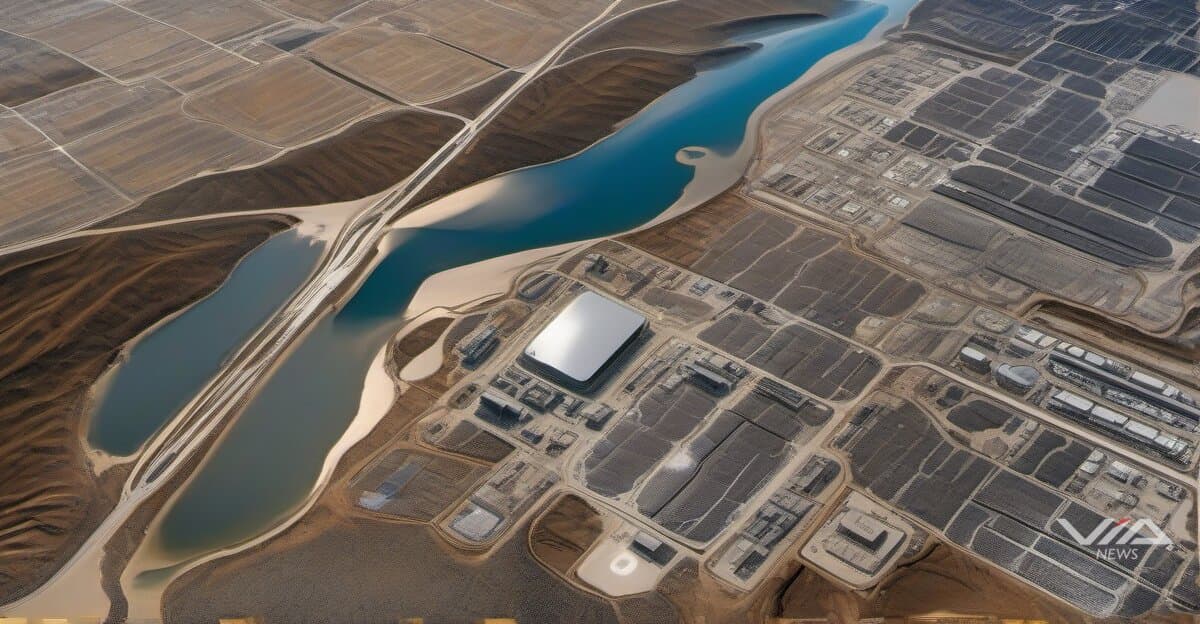
Intel joined the Terafab project with SpaceX, xAI, and Tesla to refactor silicon fabrication technology, aiming to produce 1 TW per year of compute capacity.2 The collaboration leverages Intel's capabilities in designing, fabricating, and packaging high-performance chips at scale.
Silicon Motion Technology serves most NAND flash vendors, storage device module makers, and leading OEMs.3 POET Technologies provided clarity on its Passive Foreign Investment Company status, noting that U.S. shareholders making QEF elections for fiscal year 2025 should expect zero income inclusion.4
LG Innotek's virtual sensor partnership is expected to generate orders from global carmakers as automotive suppliers integrate AI-driven physical sensing technologies.5 The convergence of semiconductor innovation and automotive applications highlights the cross-industry impact of supply chain restructuring.
Defense contractors face immediate pressure to identify non-Chinese sources for rare earth elements critical to semiconductor manufacturing. The 2027 deadline creates urgency for companies dependent on Chinese supply chains, potentially increasing costs and extending development timelines for defense-related chip programs.
The transformation combines regulatory pressure, technological advancement, and strategic repositioning across semiconductor, automotive, and defense sectors. Companies are balancing near-term supply chain risks with long-term investments in AI infrastructure and next-generation architectures.