The U.S. ban on Chinese-origin rare earth materials in defense systems starting 2027 is accelerating semiconductor supply chain restructuring, creating opportunities for equipment and materials suppliers aligned with domestic manufacturing expansion.1
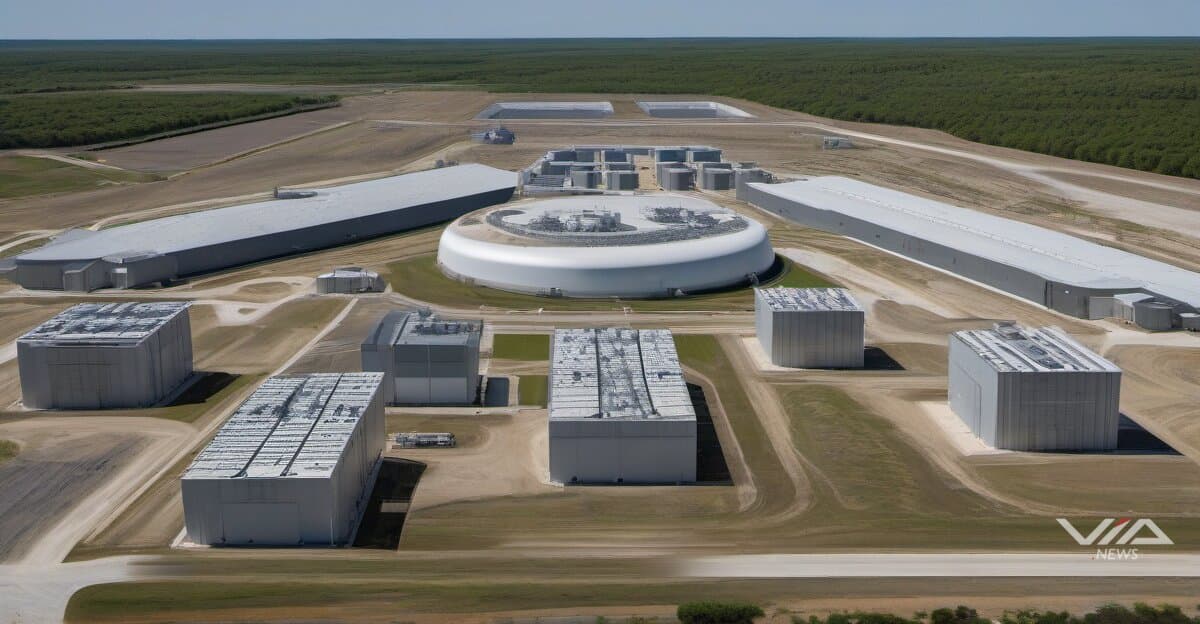
Intel's Terafab initiative is positioning the company for increased domestic production capacity as the regulatory shift drives AI chip manufacturing realignment.2 Camtek secured a $31M AI packaging order, reflecting demand for advanced packaging capabilities in the reshored supply chain.3
Silicon Motion, whose customers include most NAND flash vendors, storage device module makers, and leading OEMs, is adapting to new geopolitical realities in memory and logic production.4 The company's broad customer base positions it to benefit from diversified manufacturing locations outside China.
Semiconductor equipment suppliers including Aehr Test Systems and materials provider Entegris are recalibrating for the defense-driven manufacturing realignment. SEALSQ's post-quantum chips represent another adaptation to defense procurement requirements under the new regulatory framework.5
The transformation extends beyond defense into AI accelerators and autonomous driving chips, where supply chain security is becoming a competitive differentiator. Companies with domestic or allied-nation manufacturing capabilities are gaining preference in procurement decisions.
Capital allocation is shifting toward semiconductor equipment and materials suppliers that enable domestic advanced packaging and logic production. The regulatory deadline creates urgency for defense contractors and AI hardware manufacturers to secure compliant supply chains.
POET Technologies and Navitas Semiconductor represent smaller players navigating the transition, with POET clarifying its PFIC status for U.S. shareholders as it positions in optical interconnect technologies.6 Navitas focuses on power semiconductors that support AI and electric vehicle applications.
The rare earth materials ban is the catalyst, but the broader restructuring encompasses manufacturing equipment, advanced packaging tools, and testing systems required for autonomous AI chip production. Investment opportunities are concentrating in suppliers that enable this geographic and technological shift in semiconductor manufacturing.