Monday, August 10, 2026

Robotics Sector Expands Into Defense and Industrial Markets as DoD and Insurers Approve New Applications

The robotics industry is moving beyond consumer products into defense, healthcare, and industrial automation as regulatory barriers fall. The Department of Defense has revised sourcing rules for autonomous drones, while Aetna authorized exoskeleton coverage for workplace injury prevention. Companies are launching robotaxi production lines and warehouse automation systems that combine AI vision with autonomous navigation.

Source Trace Score12 source documents12 with a live linkVerifiability: Strong
Robotics Sector Expands Into Defense and Industrial Markets as DoD and Insurers Approve New Applications
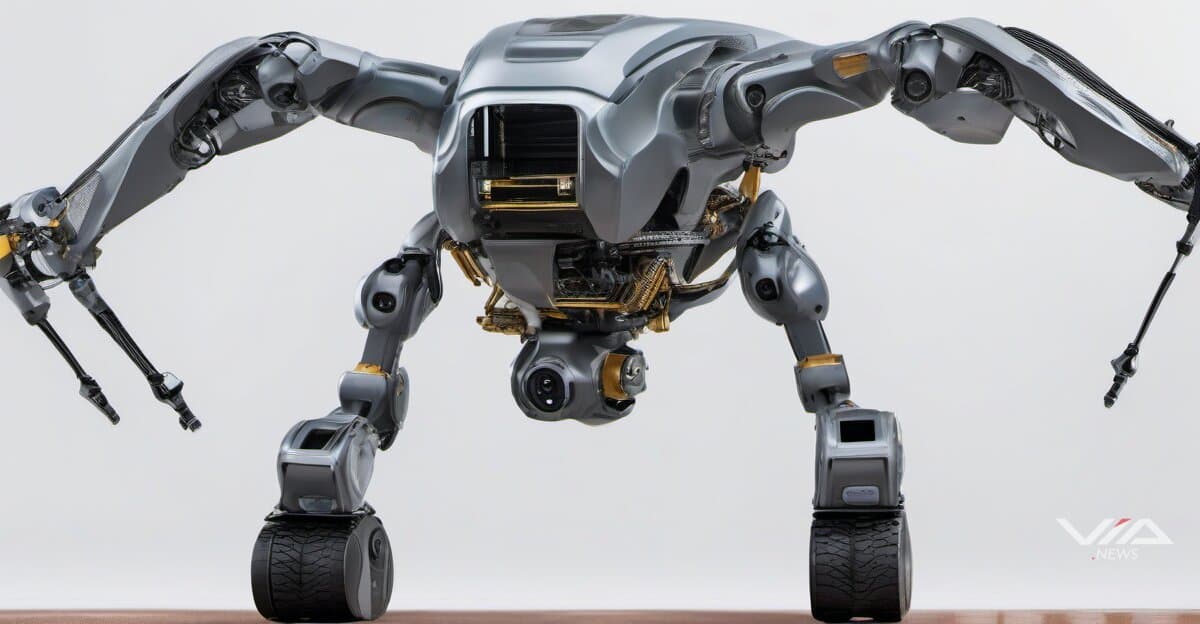
Image generated by AI for illustrative purposes. Not actual footage or photography from the reported events.

The robotics sector is diversifying revenue streams across defense contracting, industrial automation, and healthcare reimbursement markets as regulators approve applications outside controlled environments.

The Department of Defense revised procurement policies for autonomous drone systems, opening defense contracts to companies previously limited to commercial markets. Aetna authorized insurance coverage for workplace exoskeleton systems, creating reimbursement pathways for industrial safety equipment that previously required full employer funding.

Manufacturers are starting robotaxi production and deploying warehouse automation systems that use computer vision for real-world navigation. These systems move beyond the structured factory floors where industrial robots historically operated.

The sector is also developing underwater autonomous vehicles and EV battery disassembly robots that handle hazardous materials. AI-RAN partnerships are integrating network infrastructure with robotic control systems for coordinated fleet operations.

Xiangyi Cheng, an IEEE researcher working on surgical robotics, emphasized the importance of customization in medical applications. "Everyone's hand is different, so the surgery should be personalized," Cheng said, describing AR-guided systems that adapt procedures to individual anatomy.

The shift from consumer AI robotic pets to defense and industrial contracts changes the investment profile for robotics companies. Defense procurement typically involves multi-year contracts with higher barriers to entry but more stable revenue than consumer hardware sales. Insurance reimbursement for exoskeletons creates recurring revenue from workplace safety budgets rather than one-time capital equipment purchases.

Regulatory approvals are removing the primary obstacle to robotics deployment in unstructured environments. DoD sourcing changes allow autonomous systems in military logistics. Aetna's exoskeleton coverage establishes medical necessity criteria that other insurers may follow.

The convergence of physical AI, autonomous navigation, and computer vision is enabling applications that were not commercially viable when robots required extensive environmental modification. Warehouse systems now adapt to existing layouts rather than requiring redesigned facilities. Delivery robots navigate sidewalks and crosswalks without dedicated infrastructure.

Investment is flowing to companies that can demonstrate regulatory compliance and real-world performance data rather than controlled environment prototypes. The sector's expansion into multiple verticals reduces concentration risk for investors previously exposed primarily to manufacturing automation cycles.

Source documents

Via News is a conduit. We point to the source documents behind this report — we don't replace them. Trace any claim to its source and decide what to trust. How we source

Source Trace Score12 source documents12 with a live linkVerifiability: Strong
  1. [1]News articleCrunchbase News
    5 Interesting Startup Deals You May Have Missed: Plant-Based Clothing Dyes, A Shoebox-Picking Robot, And Power Generated On The Moon
  2. [2]News articleYahoo Finance· February 3, 2026
    Dassault Systèmes and NVIDIA Partner to Build Industrial AI Platform Powering Virtual Twins
  3. [3]News articleYahoo Finance· February 17, 2026
    Lifeward’s ReWalk™ Personal Exoskeleton Now Covered by Aetna, Coverage Expands to Include Three of the Largest Medicare Advantage Insurers
  4. [4]News articleYahoo Finance· January 5, 2026
    Lucid, Nuro, and Uber Unveil Global Robotaxi at CES, Announce Autonomous On-Road Testing
  5. [5]News articleIEEE Spectrum
    Xiangyi Cheng Is Bringing AR to Classrooms and Hospitals
  6. [6]Press releaseGlobeNewswire· March 2, 2026
    Agora, Inc. Reports Fourth Quarter and Fiscal Year 2025 Financial Results
  7. [7]News articleYahoo Finance· December 8, 2025
    Apple won’t be the same in 2026. Meet the company’s next generation of leaders and rising stars after its biggest executive exodus in years
  8. [8]Press releaseGlobeNewswire· February 23, 2026
    Deep Learning Market Size to Surpass $296B by 2031 as Autonomous Systems and Robotics are Set to Grow at 37.2% CAGR, Says a 2026 Mordor Intelligence Report
  9. [9]News articleYahoo Finance· February 25, 2026
    Innoviz Reports Fourth Quarter and Full Year 2025 Results
  10. [10]Press releaseGlobeNewswire· March 1, 2026
    Nokia accelerates AI-RAN momentum with new partnerships driving path to AI-Native 6G #MWC26
  11. [11]News articleMIT Technology Review
    The Download: how America lost its lead in the hunt for alien life, and ambitious battery claims
  12. [12]News articleIEEE Spectrum
    Video Friday: Humanoid Robots Celebrate Spring